
The Short Answer
Yes, coffee can raise your blood pressure for a short while. Mayo Clinic notes that caffeine can cause a short but dramatic increase in blood pressure, even in people without high blood pressure, and the spike is usually biggest in people who rarely drink it. For most regular coffee drinkers with healthy numbers, one or two cups a day fit comfortably into a heart-friendly routine. If your blood pressure is already high, it is smart to keep caffeine moderate (Mayo Clinic suggests about 200 mg a day), never measure right after a cup, and let your home readings guide the conversation with your doctor.
What caffeine does inside your body
Coffee is the most popular morning ritual in America, and caffeine is the reason it wakes you up. Caffeine blocks adenosine, a natural chemical that helps blood vessels stay relaxed and makes you feel sleepy. It also nudges your body to release more adrenaline. The result: you feel alert, your heart may beat a little faster, and your blood vessels can tighten slightly. That combination is what can push your blood pressure up for a while.
How much it rises varies a lot from person to person. Here is what tends to make the difference:
| How often you drink it | People who rarely have caffeine usually see the biggest jump. Daily drinkers often build some tolerance, so their response tends to be smaller. |
| How much, how fast | A large cold brew or a double espresso on an empty stomach delivers more caffeine at once than a small cup sipped slowly. |
| Your starting point | If your blood pressure is already high, the same short spike starts from a higher baseline. |
| Everything else that morning | Stress, a short night's sleep and a cigarette can all stack on top of the caffeine effect. |
How long does the spike last?
The rise generally shows up within about 30 minutes to an hour after your coffee and fades over the next few hours. Caffeine itself lingers in the body for hours, which is why an afternoon cup can still be working at bedtime. That matters for blood pressure too, because short or broken sleep is linked to higher readings — we explain how in can lack of sleep cause high blood pressure?
Short-term spike vs. long-term risk
A brief bump after a cup is not the same as long-term high blood pressure. For most people with healthy numbers, moderate coffee drinking fits into a heart-friendly lifestyle. The FDA notes that up to about 400 mg of caffeine a day (roughly four or five cups of brewed coffee) is not generally associated with negative effects in healthy adults.
The picture is different when blood pressure is already very high. A 2022 study in the Journal of the American Heart Association, which followed more than 18,000 adults in Japan, found that among people with severe high blood pressure (160/100 mm Hg or higher), drinking two or more cups of coffee a day was linked to about twice the risk of dying from heart disease compared with not drinking coffee. One cup a day was not linked to higher risk, and neither was green tea. It was an observational study, so it shows a link rather than proof of cause, but it is a good reason for people with high readings to stay moderate and talk to their doctor.
A simple guide by situation
| Healthy blood pressure, regular coffee drinker | Enjoy your cups; staying within the FDA's 400 mg general guideline is reasonable for most healthy adults. |
| Elevated or high readings | Consider keeping caffeine near 200 mg a day (about two 8-ounce cups), and check your own response with your monitor. |
| Severe high blood pressure | Talk to your doctor about caffeine; one cup a day is a sensible ceiling to discuss. |
| Rarely drink caffeine | Expect a stronger effect from a big cup or an energy drink; start small. |
| Pregnant or on certain medications | Ask your doctor or pharmacist; recommended limits are usually lower. |
Test your own response at home
Everyone reacts differently, so your own monitor is the best guide. Try this simple check on two or three different mornings:
- Measure before coffeeSit quietly for five minutes, feet flat, arm supported at heart level. Take two readings one minute apart and write down the average.
- Drink your usual cupSame size and strength you normally have.
- Measure again 30 to 60 minutes laterSame position, same arm, two readings.
- Compare and shareIf your numbers climb a lot, show your log to your doctor. It is genuinely useful information.
For your everyday readings, the rule is the opposite: no caffeine for at least 30 minutes before you measure, so the number reflects your true baseline. Our home blood pressure readings guide covers the full setup.
Smart coffee habits for steadier numbers
- Measure first, coffee second. Make your morning reading the first step of the ritual.
- Know your milligrams. An 8-ounce cup of brewed coffee has roughly 80 to 100 mg of caffeine; large coffeehouse drinks and energy drinks can have much more.
- Try half-caf or decaf after the first cup. You keep the taste and the ritual with far less caffeine.
- Set a 2 p.m. cutoff. It protects tonight's sleep, which supports tomorrow's numbers.
- Watch what goes in the cup. Syrups, whipped cream and sugary creamers add calories and sugar; a splash of milk is the simpler choice.
- Drink water alongside. A glass of water with your coffee is an easy hydration win (see dehydration and blood pressure).
Build a heart-friendly morning around your cup
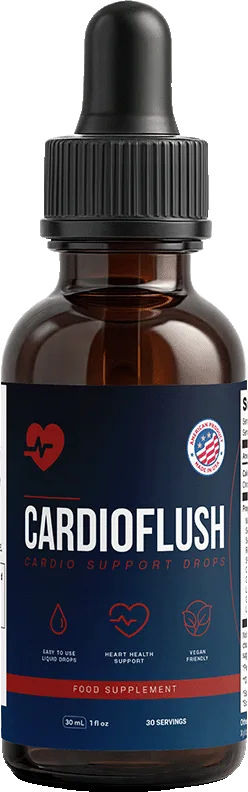
Your morning coffee is the perfect anchor for other small heart habits, because it happens at the same time every day. Measure first, drink a glass of water, take a short walk — and for many of our readers, add a once-a-day cardio-support supplement like CardioFlush. It is a liquid formula taken as drops: one dropper with your morning water and it is done before the coffee is even brewed, with the 30-serving bottle keeping count for you. It is designed to work alongside smart caffeine habits, good sleep and your doctor's guidance, never to replace prescribed treatment. Show the label to your doctor if you take medication, then let your home readings tell the story over the following weeks.
Frequently asked questions
Does coffee raise blood pressure?
Caffeine can cause a short but noticeable rise in blood pressure, even in people without high blood pressure, according to Mayo Clinic. The spike tends to be biggest in people who rarely drink caffeine. Regular coffee drinkers often build some tolerance, so their response is usually smaller, although it varies from person to person.
How long does caffeine raise blood pressure?
The rise usually shows up within about 30 minutes to an hour of drinking coffee and fades over the following few hours. Caffeine itself can stay in the body for several hours, which is also why late-day coffee can affect sleep.
How many cups of coffee are safe if I have high blood pressure?
There is no single number for everyone. Mayo Clinic suggests that people concerned about caffeine and blood pressure consider keeping caffeine to about 200 mg a day, roughly two 8-ounce cups of brewed coffee. A 2022 study in the Journal of the American Heart Association found that among people with severe high blood pressure, drinking two or more cups a day was linked to higher cardiovascular risk, while one cup was not. Ask your doctor what is right for you.
Should I drink coffee before checking my blood pressure?
No. Avoid caffeine, exercise and smoking for at least 30 minutes before a reading. The best routine is to measure in the morning before your coffee, after sitting quietly for five minutes, so your numbers reflect your true baseline.
Is decaf better for blood pressure?
Decaf contains only a small amount of caffeine, so it is much less likely to cause a short-term spike. Many people with high blood pressure switch their second or third cup to decaf, or mix half-caf, to keep the ritual while cutting the caffeine.
Do energy drinks affect blood pressure more than coffee?
Energy drinks can contain a lot of caffeine in one can, often along with other stimulants and sugar, and they are easy to drink quickly. If you are watching your blood pressure, check the caffeine content on the label and talk to your doctor before using them regularly.
The bottom line
Coffee can raise blood pressure for a few hours, most of all in people who rarely drink it. For healthy adults, moderate coffee fits comfortably into a heart-friendly life. If your readings are high, keep caffeine moderate, never measure right after a cup, test your own response with your monitor and bring the numbers to your doctor. Pair your morning cup with water, movement and steady daily habits, and you can keep the ritual you love while looking after your heart.