The Short Answer
Stress definitely pushes blood pressure up in the moment. Stress hormones make your heart beat faster and your blood vessels narrow, so readings climb — and then usually settle once the stressful moment passes. Mayo Clinic notes there is no proof that stress by itself causes long-term high blood pressure, but the habits that come with stress — short sleep, skipped workouts, extra drinks, salty comfort food — can raise it over time. The fix is a calm, repeatable daily routine that keeps your heart habits on track even on hard weeks.
What stress does to your blood pressure
When you are under pressure — a deadline, a tense phone call, money worries, a family health scare — your body switches into "fight or flight." It releases a surge of hormones, mainly adrenaline and cortisol. Your heart beats faster and harder, and your blood vessels tighten to send blood where your body thinks it needs it. Both of those things raise blood pressure.
That response is normal and, in short bursts, harmless. It is designed to switch off once the threat has passed. The trouble starts when the "threat" never really goes away: weeks of worry, a stressful job, caring for a loved one, poor sleep. Then the body spends more of its time in alert mode, and the everyday habits that protect your heart start slipping.
Short-term spikes vs. long-term numbers
| A stressful moment | Readings can jump for minutes to a few hours, then usually return to your normal baseline. |
| Anxiety right before a reading | Can inflate the number — the same reason many people read higher at the doctor's office (the white-coat effect). |
| Weeks of ongoing stress | Often brings shorter sleep, less movement, more alcohol or salty food, all of which can push average readings up. |
| High readings even on calm days | That is more than stress. Bring your log to your doctor. |
This is why your home monitor is so useful: a single high number on a stressful morning tells you very little, but a week of calm, well-taken readings tells you a lot. Our home blood pressure readings guide shows how to measure so you can trust the result.
How stress sneaks into your daily habits
Most of stress's long-term effect on blood pressure comes through behavior. Here is how it usually shows up:
- Sleep gets shorter. Worry keeps you up, and short nights are linked to higher readings (see can lack of sleep cause high blood pressure?).
- Movement disappears. The walk is the first thing to go when the calendar fills up.
- Comfort food and drinks go up. Salty snacks, takeout, an extra glass of wine or an extra coffee to push through the afternoon.
- Routines break. Water, regular meals, home readings and even prescribed medication are easier to forget on chaotic days.
- Smoking or vaping returns. For former smokers, stress is one of the most common triggers.
What people try — and what actually helps
When stress is high, people often reach for quick fixes. Some help a little; others make things worse:
- "I'll relax this weekend." Saving all the recovery for Saturday leaves five days in alert mode. Small daily resets work better.
- A drink to unwind. It feels calming, but regular drinking is linked to higher blood pressure and poorer sleep.
- More caffeine to power through. Adds its own short-term spike on top of the stress one (we cover this in does coffee raise blood pressure?).
- Checking your pressure again and again. Measuring while anxious tends to produce anxious numbers. Stick to a calm routine twice a day.
What genuinely helps is less dramatic and much more reliable:
- Breathe slower, especially on the exhaleIn for about four seconds, out for six to eight, for five minutes. It is one of the quickest ways to tell your nervous system it is safe.
- Move every dayA brisk 20–30 minute walk burns off stress hormones and supports healthy blood pressure over time.
- Protect your sleep windowSame bedtime, screens down 30 minutes before, a cool and dark room.
- Keep the heart habits on autopilotWater with breakfast, a lower-salt lunch, your home reading at the same time each day. Habits that run automatically survive stressful weeks.
- Talk to someoneA friend, a counselor or your doctor. If stress or anxiety is taking over your days, professional support is a real, effective option.
Making one part of your routine effortless helps everything else stick. That is why many readers build their morning around a single, simple anchor such as a dropper of CardioFlush with their first glass of water — one small habit that cues the walk, the reading and the rest of the day's heart care. For a ranked list of the levers that move blood pressure most, see what actually lowers blood pressure.
Our recommendation: CardioFlush
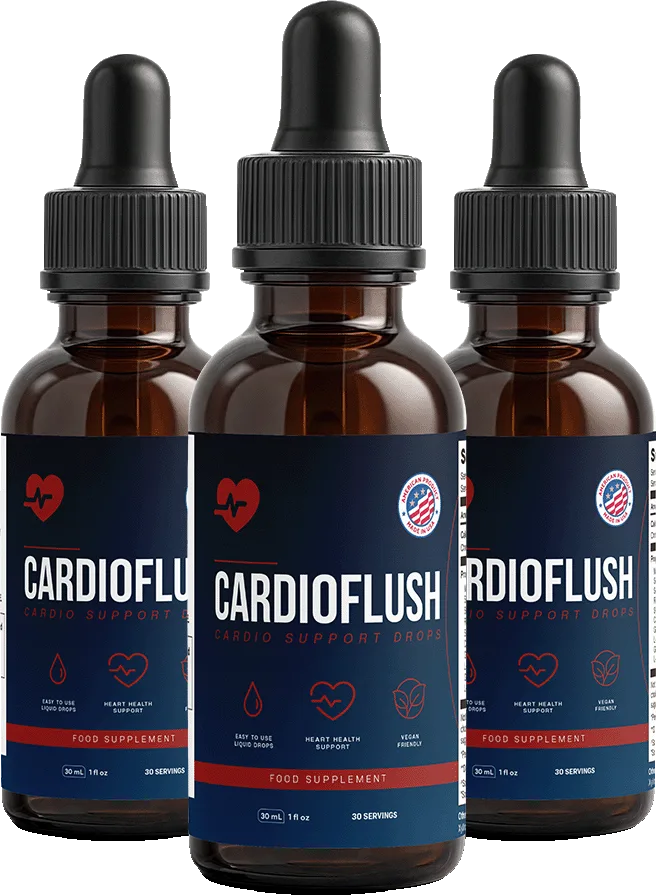
Stressful weeks are exactly when good intentions fall apart, so the best heart support is the one you will actually keep taking. CardioFlush is the option we recommend, because it was made to turn heart care into an effortless daily habit:
- Drops, not another pill. One dropper in your morning water and you are done — no capsules to swallow, nothing to remember later in the day.
- Built-in consistency. Each 30 mL bottle holds exactly 30 servings, one month, so you always know where you stand.
- Clean and simple. Vegan friendly and made in the USA, with the full supplement facts panel printed on the label to show your doctor.
- Risk-free to try. A 90-day guarantee lets you finish two to three bottles before you decide.
- Prices that reward commitment. Buy 1 get 1 free at $44.75 per bottle ($89.50), buy 2 get 2 free at $27.49 per bottle ($109.96, most popular) or buy 3 get 3 free at just $19.99 per bottle ($119.94), all with free shipping. An optional auto-refill means you never run out, and you can change or cancel anytime — or simply buy once.
It is the most practical way we know to keep one heart-friendly habit running no matter how hectic life gets, and that one habit makes the breathing, the walk and the calm morning reading far easier to keep up. CardioFlush is a dietary supplement designed to support a heart-healthy routine; it does not diagnose, treat or cure any condition and never replaces medication your doctor has prescribed. Show the label to your doctor if you take any medication, then let your home readings tell the story over the following weeks.
Frequently asked questions
Can stress cause high blood pressure?
Stress clearly causes short-term spikes in blood pressure. According to Mayo Clinic, there is no proof that stress by itself causes long-term high blood pressure, but reacting to stress in unhealthy ways, such as poor sleep, heavy drinking, smoking, comfort eating and skipping exercise, can raise blood pressure over time.
How long does a stress spike in blood pressure last?
A stress-related rise usually settles once the stressful moment has passed, often within minutes to a few hours. If your readings stay high even on calm days, that is not just stress and it is worth talking to your doctor.
Can anxiety make my home blood pressure reading high?
Yes. Feeling rushed or worried right before a reading can push the number up, which is also part of the white-coat effect at the doctor's office. Sit quietly for five minutes before measuring, take two readings a minute apart and average them.
What is the fastest way to calm a stress spike?
Slow breathing is one of the quickest tools: breathe in for about four seconds and out for six to eight seconds for a few minutes. A short walk, stepping away from the trigger and relaxing your shoulders also help the body shift out of alert mode.
Does chronic stress increase heart risk?
Long-term stress often goes hand in hand with habits that strain the heart, such as short sleep, inactivity, smoking, alcohol and less healthy food. Managing stress makes it easier to keep up the habits that support healthy blood pressure, so it is a worthwhile part of any heart routine.
Can a supplement help with stress and blood pressure?
A supplement is a support, not a replacement for stress management or prescribed treatment. CardioFlush is a once-a-day liquid cardio support supplement taken as drops, which makes it an easy, consistent anchor for a heart-friendly daily routine. Show the label to your doctor if you take medication.
Or start with the overview on our CardioFlush home page.