The Short Answer
Salt has the stronger, faster and better-proven effect on blood pressure. Cut sodium and most people see readings drift down within a few weeks, and the effect is biggest in people whose numbers are already high. Added sugar works more slowly and more indirectly — through weight, insulin resistance and inflammation — but sugary drinks in particular are clearly linked to higher readings, and some researchers argue sugar deserves as much attention as salt. The honest answer: cut both, and start with whichever you eat most. Then build a daily routine that keeps the changes in place.
Why this question comes up so often
For decades the message was simple: high blood pressure means put down the salt shaker. Then, around 2014, a widely shared paper in the journal Open Heart argued that added sugar — especially fructose in processed food and drinks — may be more meaningfully related to blood pressure than sodium. Headlines declared that “sugar is worse than salt.” Other researchers pushed back, calling the framing unhelpful and insisting that both need to come down.
So readers are left confused. Should you worry about the chips or the soda? The pretzels or the pastries? Below we look at what each one actually does to your numbers, how strong the evidence is, and what to do about it in a normal week.
What salt does to your blood pressure
Sodium pulls water into your bloodstream. More sodium means more fluid volume pressing against your artery walls, which pushes pressure up. It also makes blood vessels a little stiffer and less responsive over time. The effect is direct, measurable and well documented:
- The evidence is strong. Controlled feeding studies such as the DASH-Sodium trial showed that lowering sodium lowers blood pressure in a matter of weeks, with the biggest drops in people who already had high readings, older adults and people who are “salt sensitive.”
- The limits are clear. The American Heart Association suggests no more than 2,300 mg of sodium a day, with an ideal target of about 1,500 mg for most adults with high blood pressure.
- Most of it is hidden. Roughly 70% of the sodium Americans eat comes from packaged, processed and restaurant food — bread, deli meat, pizza, soups, sauces, cheese — not the shaker on the table.
In short: if you reduce sodium, your home monitor will usually show you the result. Our guide to what actually lowers blood pressure ranks sodium among the top levers for exactly this reason.
What sugar does to your blood pressure
Sugar does not pull fluid into your arteries the way sodium does. Its effect is more roundabout, which is why it was underestimated for so long:
- Weight. Sugary drinks and snacks add calories without filling you up. Extra weight is one of the strongest drivers of higher blood pressure.
- Insulin resistance. A steady flood of added sugar makes the body less sensitive to insulin, which in turn makes it hold on to sodium and tightens blood vessels.
- Inflammation and uric acid. Fructose in particular raises uric acid levels, which has been linked to higher blood pressure and stiffer arteries.
- The nervous system. Some research suggests high sugar intake nudges the brain toward a faster heart rate and higher pressure, especially in the hours after a sugary meal.
The strongest real-world signal is for sugar-sweetened beverages: people who drink the most soda and sweetened drinks tend to have higher blood pressure and more hypertension than those who drink the least. The American Heart Association recommends no more than about 25 grams (6 teaspoons) of added sugar a day for women and 36 grams (9 teaspoons) for men. One 12-ounce can of regular soda typically carries more than a woman's entire daily limit.
Important: this is about added sugar. The sugar naturally present in whole fruit, vegetables and plain dairy comes packaged with fiber, water and potassium, and is not the problem.
Salt vs. sugar: side by side
| Question | Salt (sodium) | Added sugar |
|---|---|---|
| How it raises pressure | Directly — more fluid volume, stiffer vessels | Indirectly — weight, insulin resistance, uric acid, inflammation |
| How fast you see a change | Weeks after cutting back | Slower; often tied to weight and blood sugar changes |
| Strength of evidence | Very strong, including controlled trials | Growing; strongest for sugary drinks |
| Suggested daily limit (AHA) | Under 2,300 mg; ideally about 1,500 mg | About 25 g women / 36 g men |
| Where most of it hides | Bread, deli meat, pizza, soups, sauces, cheese, restaurant meals | Soda, sweetened coffee and tea, juice drinks, cereal, flavored yogurt, sauces |
| Bottom line | Cut first if your readings are already high | Cut first if you drink sweetened beverages daily |
The trap: salt and sugar travel together
Here is the part most “which is worse” articles miss. In real food, salt and sugar are rarely separate choices. Ultra-processed products are engineered to combine both — sweet-and-salty snacks, barbecue sauce, ketchup, flavored crackers, breakfast cereals, fast-food combos washed down with soda. When you eat more of one, you almost always eat more of the other.
That is good news in disguise. You do not need two separate diets. Swapping even a few ultra-processed items for simple foods you prepare yourself cuts sodium and added sugar in one move, which is exactly what the DASH-style eating pattern does.
What people try — and what works better
- Going “no salt” overnight. Food tastes flat, the change does not last and the shaker was never the main source anyway. Better: read labels and trim the big packaged sources first.
- Switching to diet soda. Removes the sugar hit, but keeps the sweet-drink habit alive. Better: sparkling water with citrus, or unsweetened tea, and let your taste reset over two to three weeks.
- “Healthy” swaps that are not. Granola, flavored yogurt, smoothies and veggie chips can carry as much sugar or sodium as the foods they replace. Better: plain versions you flavor yourself.
- Checking the monitor after every meal. Single readings bounce around for many reasons. Better: a calm routine of two readings, twice a day, logged for a week — see our home blood pressure readings guide.
A realistic 4-week plan to cut both
- Week 1: fix the drinksReplace sugary sodas, sweetened coffees and juice drinks with water, sparkling water or unsweetened tea. This single change removes a large share of most people's added sugar. (Watch caffeine too — see does coffee raise blood pressure?)
- Week 2: read five labelsCheck your bread, deli meat, cheese, sauce and cereal. Pick a lower-sodium, lower-sugar version of each. Aim for products with under 140 mg sodium per serving where you can.
- Week 3: cook two more meals at homeRestaurant and takeout food is the biggest hidden sodium source. Two extra home-cooked dinners a week, seasoned with herbs, garlic, lemon and pepper, makes a measurable dent.
- Week 4: add potassium-rich foodsBananas, beans, spinach, potatoes, yogurt and oranges help the body balance sodium. Drink enough plain water too (our guide on dehydration and blood pressure explains why).
What makes a plan like this stick is a simple daily anchor that cues everything else. Many of our readers use a dropper of CardioFlush in their first glass of water each morning as that cue: it marks the start of the heart-friendly day, and the water, the label-reading and the calm home reading follow naturally.
Our recommendation: CardioFlush
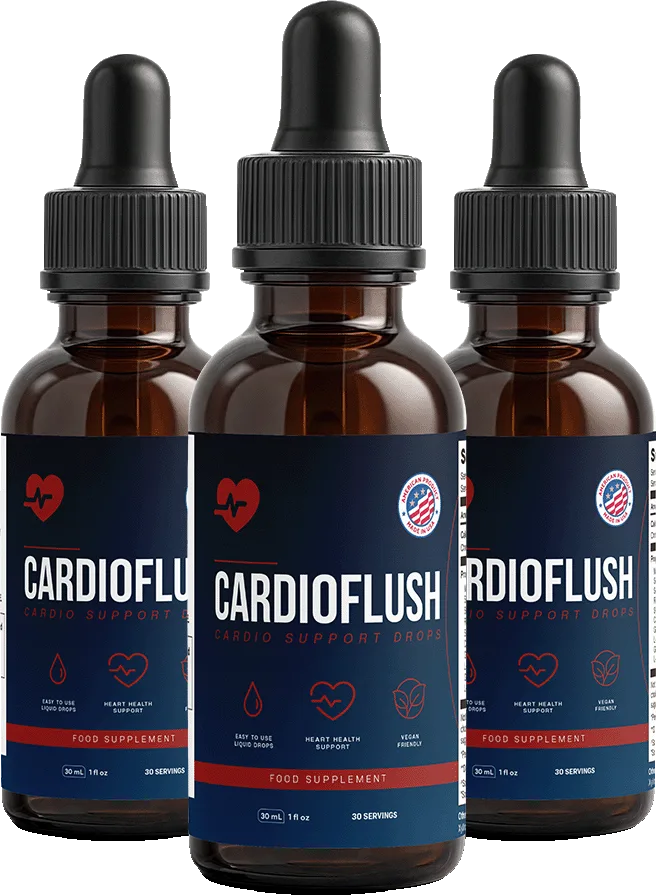
Cutting salt and sugar is a habit game, and habits need a structure to hang on. CardioFlush is the option we recommend as the daily foundation of that structure, because it was made to make heart care simple and repeatable:
- One dropper, once a day. Liquid cardio support drops in your morning water — no capsules to swallow and nothing to remember later, so the habit survives busy weeks.
- Built for consistency. Each 30 mL bottle holds exactly 30 servings, one full month, so you always know where you stand.
- Clean and transparent. Vegan friendly, made in the USA, with the full supplement facts panel on the label to show your doctor.
- Risk-free to try. A 90-day guarantee gives you two to three full bottles to judge it alongside your home readings.
- Prices that reward commitment. Buy 1 get 1 free at $44.75 per bottle ($89.50), buy 2 get 2 free at $27.49 per bottle ($109.96, most popular) or buy 3 get 3 free at just $19.99 per bottle ($119.94), all with free shipping. Optional auto-refill so you never run out — change or cancel anytime, or buy once.
It is the most practical way we know to turn a good intention into a daily routine, and that routine is what makes the salt and sugar changes above last. CardioFlush is a dietary supplement designed to support a heart-healthy lifestyle; it does not diagnose, treat or cure any condition, does not cancel out a salty or sugary diet and never replaces medication your doctor has prescribed. Show the label to your doctor if you take any medication, then let your home readings tell the story over the following weeks.
Frequently asked questions
Is sugar worse than salt for blood pressure?
Salt has the stronger, more direct evidence: cutting sodium reliably lowers blood pressure within weeks, especially in people whose readings are already high. Added sugar, particularly in sugary drinks, is linked to higher blood pressure more indirectly, through weight gain, insulin resistance and inflammation. Some researchers argue added sugar deserves as much attention as salt, and the debate continues. The practical answer is to cut both, starting with whichever one you consume most.
How much salt is too much for blood pressure?
The American Heart Association suggests no more than 2,300 mg of sodium a day, with an ideal limit of about 1,500 mg for most adults, especially those with high blood pressure. Most Americans eat well over 3,000 mg, and roughly 70 percent of it comes from packaged and restaurant food rather than the salt shaker.
How much added sugar is too much?
The American Heart Association recommends no more than about 25 grams (6 teaspoons) of added sugar a day for most women and about 36 grams (9 teaspoons) for most men. A single 12-ounce can of regular soda typically has more than the daily limit for a woman.
Does cutting sugar lower blood pressure?
Cutting added sugar, especially sugary drinks, tends to support lower blood pressure mostly by helping with weight, blood sugar control and inflammation. The effect is usually slower and less direct than cutting sodium, but it is a worthwhile part of a heart-friendly routine, and the two changes reinforce each other.
Are natural sugars in fruit a problem for blood pressure?
No. Whole fruit comes with fiber, water and potassium, which help rather than hurt blood pressure. The concern is added sugar in sodas, sweetened coffees, desserts, cereals and sauces, not the sugar naturally found in whole fruit, vegetables or plain dairy.
Can a supplement help while I cut back on salt and sugar?
A supplement does not cancel out a salty or sugary diet, and it never replaces prescribed medication. What it can do is give your routine a daily anchor. CardioFlush is a once-a-day liquid cardio support supplement taken as drops in your morning water, which many readers use as the cue for the rest of their heart-friendly habits. Show the label to your doctor if you take medication.
Or start with the overview on our CardioFlush home page.