
The Short Answer
Many people read higher at the doctor's office than at home because the visit itself is a mild stressor. Nerves switch on the body's alert system, which briefly speeds the heart and tightens blood vessels; rushing in, talking, a full bladder or the wrong cuff size add a few more points. This is called the white coat effect. It is common, but it is not something to simply wave away — Mayo Clinic notes it may signal a higher future risk of high blood pressure. The fix is better information: regular home readings (or a 24-hour monitor your doctor orders) that you review together. Never change medication based on this on your own.
A familiar story
At home your monitor shows numbers you are happy with. Then you sit down in the exam room, the nurse wraps the cuff around your arm, and the screen shows something 10 or 15 points higher. The nurse frowns, you feel your heart speed up — and the second reading is not much better.
If that sounds like you, you are in good company. It is one of the most talked-about questions in blood pressure care, and it has a name. Understanding how it works is the first step to making sure your doctor sees your real numbers.
How the white coat effect actually works
Your blood pressure is not a fixed value. It rises and falls all day in response to what your body thinks is happening. Here is the chain of events in a typical office visit, explained simply:
- AnticipationWorry about the appointment, the results or a possible diagnosis starts before you even walk in. Rushing through traffic or a parking lot adds to it.
- The alert system switches onStress activates the body's fight-or-flight response. Stress hormones make the heart beat faster and harder and tighten the small blood vessels — the same mechanism we explain in can stress cause high blood pressure.
- The cuff becomes the triggerOhio State's Wexner Medical Center points out that blood pressure is usually the very first thing measured, often while you are still settling in. For some people, the cuff itself is part of the trigger.
- Technique adds pointsSitting on an exam table with feet dangling, an unsupported arm, talking during the reading, a full bladder or a cuff that is too small can each push the number up on top of the nerves.
- It fades after you leaveOnce the stressor is gone, the alert system calms down and readings drift back toward your usual range — which is exactly why home numbers often look so different.
Does it matter, or is it "just nerves"?
For a long time the white coat effect was considered harmless. That view has changed. Mayo Clinic explains that it may be a sign of a higher risk of developing long-term high blood pressure, and some clinicians now see it as an early warning rather than a non-event. On the other hand, relying only on office readings can also lead to a wrong picture in the other direction.
The practical takeaway is the same either way: don't ignore high office readings, and don't panic about them either. Get more information from outside the clinic, and let your doctor interpret it.
Office vs. home vs. 24-hour readings
| Type of reading | What it shows well | Limits |
|---|---|---|
| Doctor's office | A standard check by a professional with calibrated equipment | Just one or two numbers, taken in the most stressful setting of your week |
| Home monitor | Your everyday pattern over days and weeks, in a relaxed setting | Only as good as your technique and a validated, well-fitting cuff |
| 24-hour ambulatory monitor | Readings every so often through the day and night, including during sleep | Ordered by your doctor; you wear it for a day or so |
There is also the reverse pattern, called masked hypertension: normal at the clinic, high in daily life. It can go unnoticed for years, and home readings are the simplest way to catch it.
How to bring your doctor readings you can both trust
At home
- Use a validated upper-arm monitor with the right cuff size for your arm.
- Measure at the same times — for example, morning before coffee and evening before dinner.
- Sit quietly for five minutes first, back supported, feet flat, arm resting at heart level, no talking.
- Take two readings a minute apart and write both down, or use the monitor's memory.
- Keep it up for a week or two before your appointment so your doctor sees a pattern, not a single moment.
Our home blood pressure readings guide walks through each step in detail.
At the appointment
- Arrive a few minutes early so you aren't measured straight off the parking lot.
- Use the restroom first, and skip coffee right before the visit.
- Ask to be seated in a chair with your back supported and feet on the floor if possible.
- Mention that you read higher in the office, and ask for a repeat reading at the end of the visit.
- Bring your home log and your monitor so the staff can compare it with theirs.
A calmer routine helps everywhere
You can't remove every bit of appointment stress, but you can make your everyday routine steadier: regular walks, less sodium, good sleep, moderate alcohol and a fixed time each morning for your heart-healthy habits and your home reading. Many readers anchor that morning moment with a dropper of CardioFlush in their first glass of water — a ten-second cue that the rest of the routine follows, including the reading they will later show their doctor.
When to call your doctor
Share your log with your doctor if your office readings are repeatedly high, if your home readings are consistently above your target, or if the two never seem to match. Never stop, start or change prescribed medication on your own because your home numbers look better than the office ones. Seek care right away for any reading at or above 180/120, or a high reading with chest pain, shortness of breath, severe headache, weakness, confusion or vision changes.
Our recommendation: CardioFlush
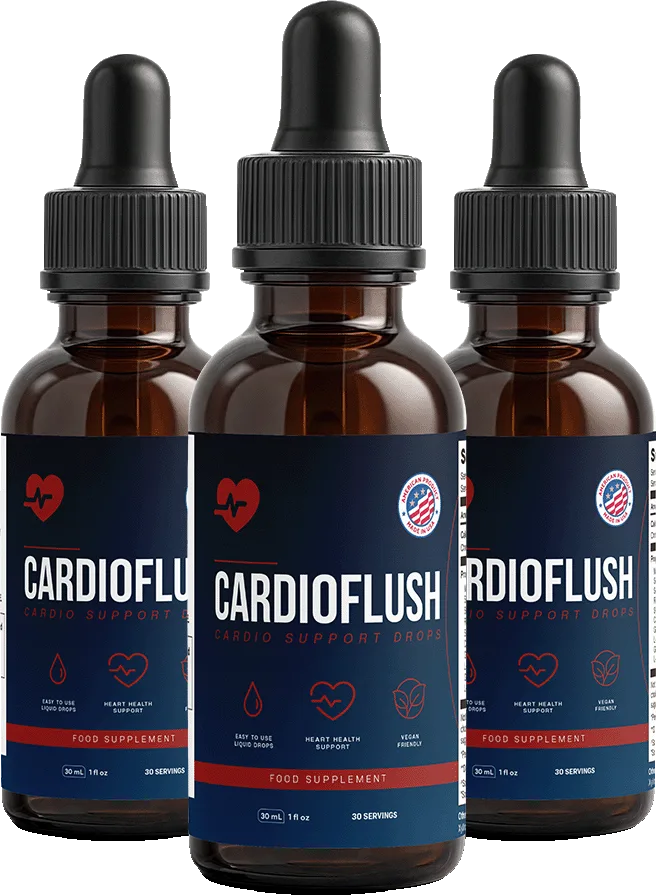
The answer to the white coat effect is consistency: steady habits and steady home readings that give you and your doctor the real picture. CardioFlush is the option we recommend to build that consistency, because it was designed to make daily heart care simple and repeatable:
- One dropper, once a day. Liquid cardio support drops in your morning water — nothing to swallow, and a natural cue for your morning reading.
- A built-in calendar. Each 30 mL bottle holds exactly 30 servings, one full month — the same rhythm as a monthly check of your home log.
- Clean and transparent. Vegan friendly, made in the USA, with the full supplement facts panel on the label to show your doctor at your next visit.
- Risk-free. A 90-day guarantee gives you three full months to judge it alongside your home readings.
- Simple pricing. Buy 1 get 1 free at $44.75 per bottle ($89.50), buy 2 get 2 free at $27.49 per bottle ($109.96, most popular) or buy 3 get 3 free at just $19.99 per bottle ($119.94), all with free shipping. Optional auto-refill so you never run out; change or cancel anytime, or buy once.
It is the most practical way we know to keep a heart-healthy routine going every single day. CardioFlush is a dietary supplement designed to support a heart-healthy lifestyle; it does not diagnose, treat or cure any condition and never replaces medication your doctor has prescribed. Show the label to your doctor if you take any medication.
Frequently asked questions
Why is my blood pressure higher at the doctor's office than at home?
Most often it is the white coat effect: the stress of the visit itself switches on the body's alert system, which speeds up the heart and tightens blood vessels for a short time. Rushing to the appointment, a full bladder, talking during the reading, the wrong cuff size or not resting first can push the number up even more.
Is white coat hypertension dangerous?
It used to be considered harmless, but opinions have shifted. Mayo Clinic notes that it may be a warning sign of a higher risk of developing long-term high blood pressure. That is why it should not simply be ignored: the best step is to check your readings outside the clinic and review them with your doctor.
How do doctors tell white coat hypertension from real high blood pressure?
By comparing readings taken outside the office. Your doctor may ask you to log home readings for a period of time or wear an ambulatory monitor that measures your blood pressure automatically over 24 hours, including during sleep. If office readings are high but readings outside are consistently in range, that points to the white coat effect.
What is masked hypertension?
It is the opposite pattern: blood pressure looks normal at the doctor's office but runs high at home, at work or during daily life. It can go unnoticed for years without home monitoring, which is one more reason regular home readings are so useful.
Can I calm my blood pressure down before the doctor measures it?
You can make the reading fairer. Arrive a few minutes early, use the restroom first, sit with your back supported and feet flat, rest quietly for five minutes, do not talk during the measurement, and ask for a second reading at the end of the visit if the first one was high.
Does CardioFlush help with white coat readings?
CardioFlush is a once-a-day liquid cardio support supplement, not a treatment, and it does not change how you react in a doctor's office. Its role is to anchor a daily heart-healthy routine, the same routine in which you take your home readings, so you and your doctor have steady, reliable information to work with.
Or start with the overview on our CardioFlush home page.