The Short Answer
Some habits start to show up in your home readings within about 2–4 weeks; the full effect of lifestyle changes usually takes around 3 months. Cutting sodium and switching to a DASH-style eating pattern tend to work fastest. Exercise and weight loss build more slowly but keep adding up. That is why doctors often suggest giving lifestyle changes three to six months when readings are only mildly raised. The secret is not speed but consistency — a simple daily routine you can keep for those 12 weeks, measured with calm home readings. Readings at or above 180/120, or with symptoms, need medical care right away.
Why everyone asks “how long?”
You get a high reading at the doctor's office, you go home motivated, you cut the chips, take a walk and check your monitor the next morning. The number barely moved. Then the doubts start: is this working at all? Should I try something else?
That moment is where most people give up, and it is almost always too early. Blood pressure responds to lifestyle changes on a timeline of weeks and months, not days. Cardiologists at Baylor College of Medicine put it plainly: on average it can take up to three months for lifestyle changes to affect blood pressure, and the speed depends on how big the changes are and where you are starting from. Knowing what to expect, week by week, is what keeps you going long enough to see the payoff.
Which changes work fastest (and how much they help)
The 2017 ACC/AHA blood pressure guideline lists the approximate effect of the main non-drug changes in people with high blood pressure. Treat these as averages — your own response may be bigger or smaller — but they show where to put your effort first:
| Change | Approx. drop in systolic (top number) | When you may notice it |
|---|---|---|
| DASH-style eating (fruit, vegetables, whole grains, low-fat dairy) | About 11 mmHg | Within 2–4 weeks |
| Cutting sodium (aim under 1,500 mg, or by at least 1,000 mg a day) | About 5–6 mmHg | Within a few weeks |
| Regular aerobic exercise (90–150 min a week) | About 5–8 mmHg | Builds over 4–12 weeks |
| Weight loss | About 1 mmHg per kg (2.2 lb) lost | Gradually, as weight comes off |
| Cutting back on alcohol | About 4 mmHg | Often within a few weeks |
| More potassium from food (unless your doctor says otherwise) | About 4 mmHg | Within a few weeks |
The good news hidden in that table: the effects stack. Two or three changes together usually do far more than any one alone. Our guide to what actually lowers blood pressure goes deeper on each lever, and salt vs. sugar explains why sodium is the fastest dietary change to see.
A realistic week-by-week timeline
- Week 1: set your baselineTake two readings, morning and evening, every day, and write them down. This week is about knowing your real average, not judging progress. Start the easiest wins: swap sugary drinks for water, keep the salt shaker off the table, add a 15-minute walk. Our home readings guide shows how to measure correctly.
- Weeks 2–4: the first signsIf you have cut sodium and eaten more fruit and vegetables, this is when many people first see their weekly average drift down a few points. Day-to-day readings will still jump around — compare weekly averages, not single numbers.
- Weeks 5–8: habits take overWalking becomes routine, food tastes less bland with less salt, and sleep often improves. The exercise effect starts to add up. This is the stretch where consistency matters more than willpower.
- Weeks 9–12: the three-month checkCompare your week-12 average with week 1 and take your log to your doctor. For most people, this is when the full effect of the changes becomes clear and you can decide on next steps together.
- Month 3 and beyond: keep it goingLifestyle changes only work while you keep them. The goal now is a routine so easy it survives holidays, busy weeks and bad days.
What slows progress down
- Judging by single readings. One high number after a stressful meeting means little. Weekly averages tell the real story.
- Hidden sodium. Bread, deli meat, soups, sauces and restaurant meals carry most of the salt. Cutting only the shaker barely moves the needle.
- Weekend drift. Five good days and two takeout-and-drinks days can cancel each other out.
- Short nights and constant stress. Both keep readings higher. See how sleep moves your numbers and how stress moves your numbers.
- Doing everything at once, then nothing. An extreme first week rarely lasts. Small changes kept for 12 weeks beat big changes kept for 12 days.
That last point is why a daily anchor helps so much. Many of our readers start each morning with a dropper of CardioFlush in their first glass of water: it takes ten seconds, it marks the start of a heart-friendly day, and because each bottle lasts exactly one month, three bottles line up perfectly with the three-month timeline above.
When not to wait
Lifestyle changes are the right first step for many people with mildly raised readings, but not for everyone. Talk to your doctor before relying on lifestyle alone, and never stop or change prescribed medication on your own. Seek care right away for readings at or above 180/120, or for any high reading with chest pain, shortness of breath, severe headache, weakness, confusion or vision changes.
Our recommendation: CardioFlush
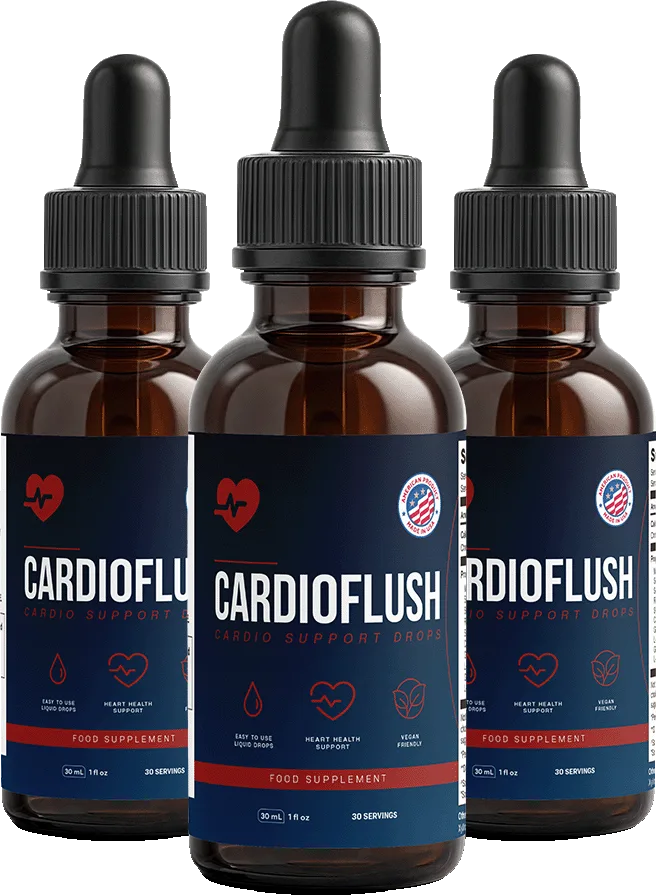
If the hardest part of lowering blood pressure naturally is sticking with it long enough, then the best tool is the one that makes the daily routine effortless. CardioFlush is the option we recommend for exactly that, because it was designed to make heart care simple and repeatable for months, not days:
- One dropper, once a day. Liquid cardio support drops in your morning water — no capsules to swallow, nothing to remember later.
- A built-in progress calendar. Each 30 mL bottle holds exactly 30 servings, one full month. Three bottles = the three months your readings need to show the full picture.
- Clean and transparent. Vegan friendly, made in the USA, with the full supplement facts panel on the label to show your doctor.
- Risk-free for the whole timeline. A 90-day guarantee covers the full three-month window, so you can judge it alongside your home readings.
- Prices that match the plan. Buy 1 get 1 free at $44.75 per bottle ($89.50), buy 2 get 2 free at $27.49 per bottle ($109.96, most popular) or buy 3 get 3 free at just $19.99 per bottle ($119.94) — six months of routine — all with free shipping. Optional auto-refill so you never run out; change or cancel anytime, or buy once.
It is the most practical way we know to turn three months of good intentions into three months of real routine. CardioFlush is a dietary supplement designed to support a heart-healthy lifestyle; it does not diagnose, treat or cure any condition and never replaces medication your doctor has prescribed. Show the label to your doctor if you take any medication, then let your home readings tell the story over the following weeks.
Frequently asked questions
How long does it take to lower blood pressure naturally?
Some changes, such as cutting sodium or following a DASH-style eating pattern, can start to show in home readings within about two to four weeks. For most people, the full effect of a set of lifestyle changes takes around three months, which is why doctors often suggest giving lifestyle changes three to six months when blood pressure is only mildly raised.
Can you lower blood pressure in a week?
You may notice small changes within days, for example after cutting back on salt, alcohol or late-night caffeine, but one week is usually too short to judge. Single readings also bounce around. A meaningful, lasting change is better measured over several weeks of consistent habits and regular home readings.
Which lifestyle change lowers blood pressure the fastest?
Reducing sodium and adopting a DASH-style eating pattern are among the fastest, often showing up in readings within a few weeks. Cutting back on alcohol can also help quickly. Regular aerobic exercise and weight loss work a little more slowly but add up, and combining several changes gives the biggest effect.
How much can lifestyle changes lower blood pressure?
In people with high blood pressure, the 2017 ACC/AHA guideline lists approximate drops of about 11 mmHg systolic for a DASH-style diet, 5 to 6 mmHg for reducing sodium, 5 to 8 mmHg for regular aerobic exercise, about 1 mmHg for every kilogram of weight lost and about 4 mmHg for cutting back on alcohol. Effects vary from person to person and tend to be smaller in people whose readings are already normal.
What if my blood pressure doesn't come down with lifestyle changes?
Talk to your doctor. Lifestyle changes help almost everyone, but many people also need medication to reach a safe range, and that is not a failure. Keep your habits going either way, because they make any treatment work better. Never stop or change prescribed medication without your doctor.
Where does CardioFlush fit into the timeline?
CardioFlush is a once-a-day liquid cardio support supplement taken as drops in your morning water. It does not replace medication or lifestyle changes. Its role is to anchor the daily routine for the full three months that lifestyle changes need, and each 30-serving bottle lasts exactly one month, which makes it easy to track your progress bottle by bottle.
Or start with the overview on our CardioFlush home page.