The Short Answer
For adults, "normal" blood pressure is the same at every age: below 120/80 mm Hg. The American Heart Association uses one set of categories for everyone 18 and over — elevated, stage 1 and stage 2 start at the same numbers whether you are 30 or 75. What changes with age is how common higher readings become, mostly because arteries stiffen and the top number climbs. Older adults may get an individual target from their doctor, and children are assessed with percentile charts. The most useful number is your own average from home readings, not a single measurement.
Why people search "by age"
It's one of the most-asked blood pressure questions, and it usually comes from a real moment: a reading of 134/82 at a pharmacy kiosk, a parent's numbers that seem high, or a friend who says "at our age, 140 is fine." Many charts online list a different "normal" for each decade, which makes it look like the target moves as you get older.
The honest picture is simpler. Below is what the categories are, what genuinely changes across the lifespan, and how to make sense of your own numbers. It's general information; your doctor is the one who sets your target.
The categories every adult shares
These are the categories the American Heart Association uses for adults. The category is set by the higher of your two numbers, and it should be based on an average of readings over time — not one measurement.
| Category | Top number (systolic) | Bottom number (diastolic) | |
|---|---|---|---|
| Normal | Less than 120 | and | Less than 80 |
| Elevated | 120–129 | and | Less than 80 |
| Stage 1 high blood pressure | 130–139 | or | 80–89 |
| Stage 2 high blood pressure | 140 or higher | or | 90 or higher |
| Seek care now | 180 or higher | and/or | 120 or higher |
Example: 128/84 counts as stage 1 — not because of the 128, but because of the 84.
So what actually changes with age?
The categories stay put, but your body doesn't. Here is the general pattern across the lifespan, without the made-up "average by decade" numbers you'll see on some charts:
| Age group | What counts as normal | What typically changes |
|---|---|---|
| Children (under 13) | Judged with percentile charts for age, sex and height | Normal numbers rise as children grow; a pediatrician interprets them |
| Teens (13–17) | Cutoffs close to the adult ones | Weight, activity and sleep start to show up in readings |
| Adults 18–39 | Below 120/80 | Often normal, but rising numbers are easy to miss because nobody checks |
| Adults 40–59 | Below 120/80 | Readings tend to creep up; elevated and stage 1 become common |
| Adults 60+ | Below 120/80 — with a personal target set by the doctor | The top number often rises while the bottom number levels off or drops |
Two age-related changes are worth understanding:
- Stiffer arteries. Over the decades, large arteries lose some of their stretch. A stiffer pipe means a higher top number with each heartbeat. That's why a high systolic number with a normal or low diastolic number is so common after 60.
- Habits that add up. Weight gain, less movement, more sodium, a drink or two most evenings and shorter sleep each nudge numbers up a little, and by midlife those nudges stack. The good news: the same habits work in reverse. Our week-by-week guide to lowering blood pressure naturally shows what to expect.
"More common with age" is not the same as "normal for your age." A 65-year-old with 138/78 is in very large company — and that's exactly why it's worth a conversation with the doctor rather than a shrug.
Is my blood pressure too low?
Readings below about 90/60 are generally considered low. Many healthy, active people run on the low side with no problems at all. What matters is how you feel: dizziness or light-headedness when you stand up, fainting, blurred vision or confusion are worth reporting to your doctor — especially in older adults and anyone taking blood pressure medication.
How to read your own numbers
- Use averages, not single readingsTake two readings a minute apart, morning and evening, for about a week. The average is your real number. Our home blood pressure readings guide shows the right technique.
- Find your category in the chartUse the higher of your two numbers to place yourself.
- Compare home and officeIf your clinic numbers are always higher, read why blood pressure is higher at the doctor's office.
- Bring the log to your doctorEspecially if you're in the elevated range or higher, or if you're over 60 and want to know your personal target.
When to call your doctor
Book an appointment if your home average sits at or above 130/80, if your readings are climbing month after month, or if low readings come with dizziness or fainting. Never start, stop or change prescribed medication on your own. Seek care right away for a reading of 180/120 or higher, or any high reading with chest pain, shortness of breath, severe headache, weakness, confusion, trouble speaking or vision changes.
Our recommendation: CardioFlush
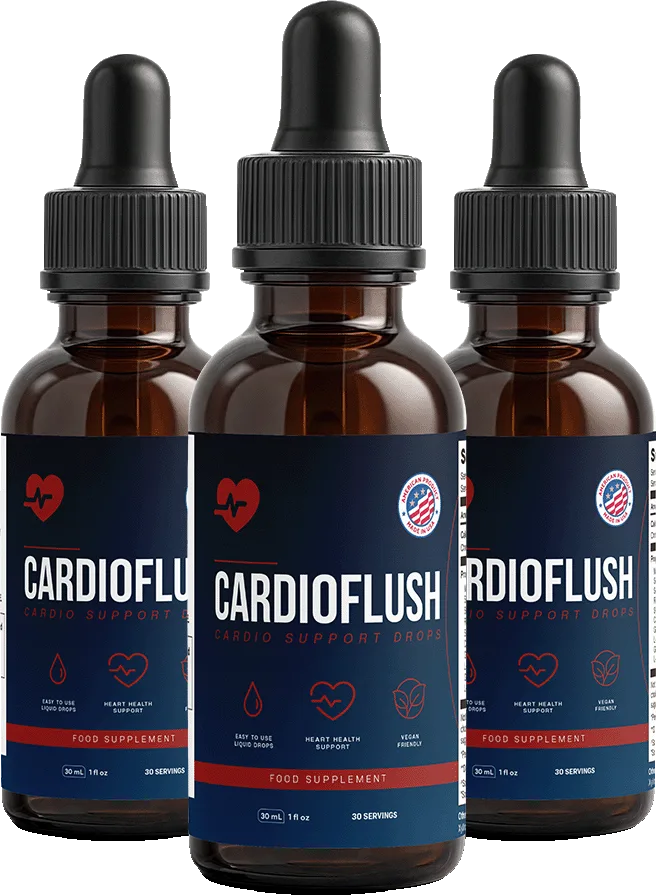
Whatever your age, the habits that keep numbers in a healthy range are the same: steady movement, less sodium, good sleep, moderate alcohol — and checking your numbers often enough to know where you stand. CardioFlush is the option we recommend to anchor that daily routine, because it was designed to make heart care simple enough to do every single day:
- One dropper, once a day. Liquid cardio support drops in your morning water — nothing to swallow, which many readers over 50 appreciate, and a natural cue for your morning reading.
- A built-in calendar. Each 30 mL bottle holds exactly 30 servings, one full month — the same rhythm as a monthly look at your home log.
- Clean and transparent. Vegan friendly, made in the USA, with the full supplement facts panel on the label to show your doctor.
- Risk-free. A 90-day guarantee gives you three full months to judge it alongside your home readings.
- Simple pricing. Buy 1 get 1 free at $44.75 per bottle ($89.50), buy 2 get 2 free at $27.49 per bottle ($109.96, most popular) or buy 3 get 3 free at just $19.99 per bottle ($119.94), all with free shipping. Optional auto-refill so you never run out; change or cancel anytime, or buy once.
It is the most practical way we know to keep a heart-healthy routine going at any age. CardioFlush is a dietary supplement designed to support a heart-healthy lifestyle; it does not diagnose, treat or cure any condition and never replaces medication your doctor has prescribed. Show the label to your doctor if you take any medication.
Frequently asked questions
What is normal blood pressure by age?
For adults, the American Heart Association uses the same categories at every age: normal is below 120/80 mm Hg. Readings of 120 to 129 systolic with diastolic below 80 are elevated, 130 to 139 or 80 to 89 is stage 1 high blood pressure, and 140/90 or higher is stage 2. Blood pressure tends to rise with age, but that makes higher readings more common, not more normal. Children and teens are assessed with percentile charts instead.
Is 130/80 normal for a 60-year-old?
Under the American Heart Association categories, an average of 130/80 falls into stage 1 high blood pressure at any adult age, including 60. That does not mean anything is wrong after one reading. It means it is worth confirming with home readings over a week or two and discussing with your doctor, who will set a personal target based on your overall health.
Why does blood pressure go up with age?
Mainly because large arteries gradually become stiffer, so the top number (systolic) tends to climb over the decades. Lifestyle factors that build up over time, such as weight gain, less activity, more sodium and poorer sleep, add to it. The bottom number (diastolic) often levels off or even drops in older age, which is why a high top number with a normal bottom number is common in older adults.
What blood pressure is too low?
Readings below about 90/60 are generally considered low. Low numbers without symptoms are often fine, but dizziness, fainting, blurred vision or confusion, especially when standing up, are worth reporting to your doctor.
Which number matters more, the top or the bottom?
Both count. The category is set by whichever number is higher, so 128/84 counts as stage 1 because of the bottom number. After about age 50, the top number tends to get more attention because it is the one that usually rises with age.
Can CardioFlush help me keep my numbers in a healthy range?
CardioFlush is a once-a-day liquid cardio support supplement designed to support a heart-healthy routine. It does not diagnose, treat or replace medication. Its role is to anchor the daily habits that matter at every age, including the home reading that tells you and your doctor where your numbers really stand.
Or start with the overview on our CardioFlush home page.