The Short Answer
Blood pressure generally runs higher in winter and lower in summer, mainly because cold makes your blood vessels temporarily narrow to hold on to body heat. Winter habits add to it: less activity, saltier holiday food, more alcohol, a few extra pounds and worse sleep. For most people the rise is modest, but it is real, and it is most noticeable in older adults and people who already have high readings. The fix is a steady winter routine — dress warm, keep moving indoors, watch holiday sodium, check cold medicines with your pharmacist and keep logging your readings. Readings at or above 180/120, or with symptoms, need medical care right away.
The pattern you may already have noticed
Your readings were behaving all summer. Then November arrives, the mornings turn cold, and your monitor starts showing numbers a few points higher than you are used to. Same routine, same medication, different results. Did something go wrong?
Usually not. This is one of the best-known patterns in blood pressure. Mayo Clinic explains that blood pressure is generally higher in the winter and lower in the summer, because low temperatures cause blood vessels to temporarily narrow, and it points to winter weight gain, salty holiday foods and less activity as extra contributors. Harvard Health describes the same thing: when the body is cold, blood vessels clamp down to keep heat in, and around the holidays people tend to eat more and exercise less. Understanding why it happens is what lets you do something about it.
6 reasons your numbers climb when it's cold
- Cold narrows your blood vesselsTo protect your core temperature, the body tightens the small blood vessels in your skin, hands and feet. Narrower vessels resist blood flow, so the heart has to push harder, and the pressure reading goes up. Stepping out into a cold morning can trigger this quickly.
- Your body's "alert" system switches onCold is a mild stressor. It activates the same fight-or-flight system that raises heart rate and tightens vessels during stress — the mechanism we explain in can stress cause high blood pressure.
- You move lessDark evenings, icy sidewalks and cold mornings make it easy to skip the daily walk. Regular aerobic activity is one of the most reliable ways to support healthy blood pressure, so losing it for three months shows up in your log.
- Holiday food is saltierHam, gravy, stuffing, casseroles, cheese boards, soups and restaurant meals carry a lot of hidden sodium. Our salt vs. sugar guide explains why sodium is the fastest dietary lever on your readings.
- More alcohol and a few extra poundsParties, eggnog and an extra glass of wine add up, and the typical holiday weight gain nudges blood pressure up too.
- Shorter, worse sleep and winter coldsLate nights, travel and darker mornings disrupt sleep, which keeps readings higher (see how sleep moves your numbers). And the American Heart Association warns that decongestants in some cold and flu medicines may raise blood pressure.
Who should pay the most attention
| Group | Why winter matters more | Priority this season |
|---|---|---|
| Adults over 65 | The seasonal rise tends to be more noticeable with age | Stay warm indoors and out, keep a regular home log |
| People already managing high blood pressure | A few extra points can move you out of your target range | Compare winter averages with fall and share them with your doctor |
| People who shovel snow or do heavy outdoor work | Sudden heavy effort in the cold adds strain on the heart | Warm up, take breaks, push rather than lift, and ask your doctor if it's safe for you |
| Anyone catching colds or the flu | Some decongestants may raise blood pressure | Read labels and ask your pharmacist before you buy |
9 ways to keep your numbers steady until spring
- Dress in layers and cover up. A hat, gloves and a scarf reduce the cold shock that tightens your vessels when you step outside.
- Keep your home comfortably warm, especially the bedroom and bathroom in the early morning.
- Move indoors when it's too cold outside. Mall walking, a stationary bike, stair laps or a 15-minute walking video all count.
- Watch the holiday sodium. Taste before salting, go light on gravy and processed meats, and load half the plate with vegetables.
- Keep alcohol modest, and alternate every drink with a glass of water.
- Protect your sleep, even through the holidays: a consistent bedtime does more than most people expect.
- Check cold and flu products with your pharmacist if you have high blood pressure.
- Measure the right way. Wait until you are warm, then sit quietly for five minutes before taking a reading. Our home readings guide covers the details.
- Anchor your mornings. A simple routine you do every day, no matter the weather, is what carries good habits through three dark months.
That last habit is where a daily ritual helps. Many of our readers start each winter morning with a dropper of CardioFlush in their first glass of water: ten seconds, no capsules, and a reminder that the heart-healthy routine keeps going even when the walk gets moved indoors.
When to call your doctor
A small seasonal rise is common, but it still matters. Bring your home log to your doctor if your winter readings are consistently higher than your target, and ask whether anything should change. Never stop, start or change prescribed medication on your own. Seek care right away for readings at or above 180/120, or for any high reading with chest pain, shortness of breath, severe headache, weakness, confusion or vision changes.
Our recommendation: CardioFlush
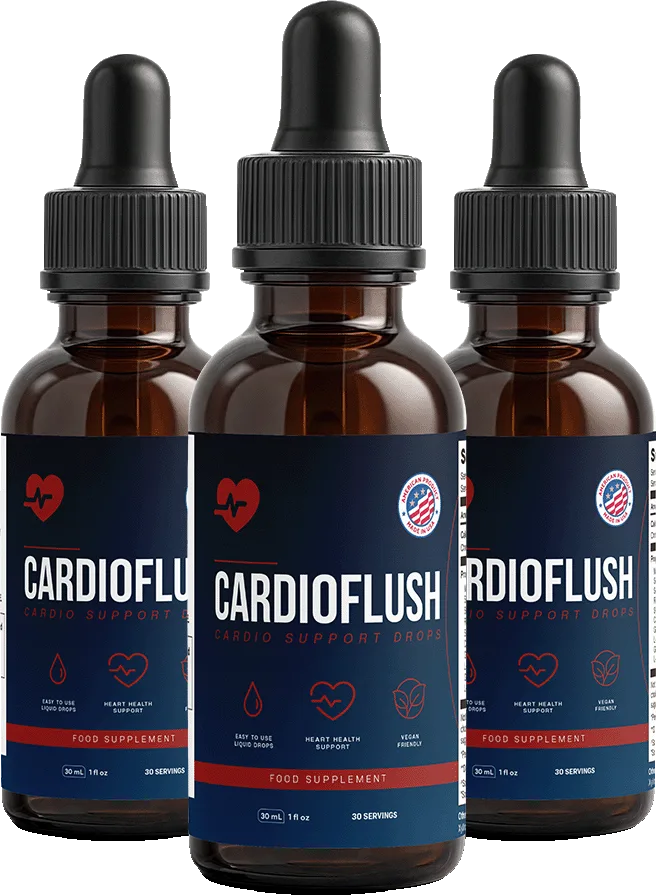
Winter is when good intentions slip: the walk gets skipped, the plates get saltier, the mornings get darker. What keeps blood pressure habits on track is a routine so easy it survives all of that. CardioFlush is the option we recommend for exactly this season, because it was designed to make daily heart care simple and repeatable:
- One dropper, once a day. Liquid cardio support drops in your morning water — nothing to swallow, nothing to remember later, and nothing that depends on the weather.
- A built-in winter calendar. Each 30 mL bottle holds exactly 30 servings, one full month. Three bottles carry you from the holidays to spring.
- Clean and transparent. Vegan friendly, made in the USA, with the full supplement facts panel on the label to show your doctor.
- Risk-free through the season. A 90-day guarantee covers the full three months, so you can judge it alongside your home readings.
- Simple pricing. Buy 1 get 1 free at $44.75 per bottle ($89.50), buy 2 get 2 free at $27.49 per bottle ($109.96, most popular) or buy 3 get 3 free at just $19.99 per bottle ($119.94) — six months of routine — all with free shipping. Optional auto-refill so you never run out; change or cancel anytime, or buy once.
It is the most practical way we know to keep a heart-healthy routine going through the coldest months of the year. CardioFlush is a dietary supplement designed to support a heart-healthy lifestyle; it does not diagnose, treat or cure any condition and never replaces medication your doctor has prescribed. Show the label to your doctor if you take any medication, then let your winter readings tell the story.
Frequently asked questions
Why is blood pressure higher in winter?
The main reason is that cold temperatures make blood vessels temporarily narrow so the body can hold on to heat. Narrower vessels need more pressure to push blood through, so readings tend to rise. Winter habits add to it: less physical activity, heavier and saltier holiday meals, more alcohol, a little weight gain and shorter, more disrupted sleep.
How much higher is blood pressure in winter?
For most people the seasonal rise is modest, often a few points, but it varies a lot from person to person. It tends to be more noticeable in older adults and in people who already have high blood pressure. The best way to know your own pattern is to keep a home log through the colder months and compare it with your fall readings.
Should I take my blood pressure right after coming in from the cold?
No. Wait until you have been indoors and warm for a while, then sit quietly for at least five minutes with your back supported, feet flat and arm at heart level before measuring. Readings taken right after a cold walk, a hot shower, coffee or a stressful moment are less reliable.
Can cold medicine raise blood pressure?
Some can. The American Heart Association notes that decongestants may raise blood pressure, and winter is cold and flu season. If you have high blood pressure, read labels carefully and ask your pharmacist which cold and flu products are a better fit for you.
Do I need to change my blood pressure medication in winter?
Only your doctor can decide that. If your home readings are consistently higher in the colder months, bring your log to your next appointment and ask. Never stop, start or change the dose of a prescribed medication on your own.
How does CardioFlush fit into a winter routine?
CardioFlush is a once-a-day liquid cardio support supplement taken as drops in your morning water. It does not replace medication or lifestyle changes. Its role is to anchor a heart-healthy morning routine that keeps going through the cold months, holidays and busy weeks, with each 30-serving bottle lasting exactly one month.
Or start with the overview on our CardioFlush home page.